
Healing Through Creativity: What Is Expressive Arts Therapy?
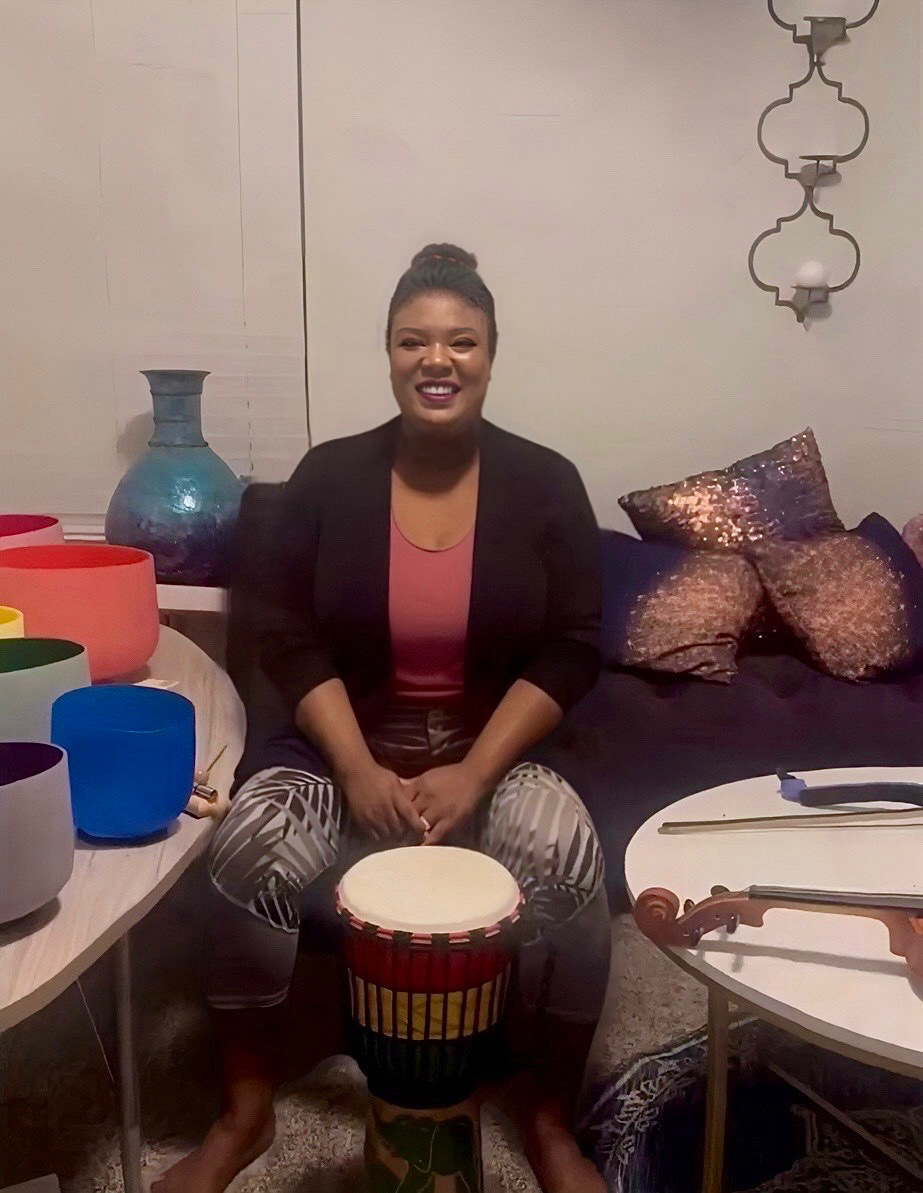
In a world where mental health is prevalent, traditional therapy has been a main go to for those seeking support. In my work as a therapist, I’ve found that where words may fall short or feel unachievable, expressive art has paved a pathway to expression. Sometimes it begins with a scribble or doodle, color, movement, rhythm, or a simple act of creating. Many who come to therapy often share feeling overwhelmed, stuck, or unsure how to put words to what they are carrying. Talk therapy, though powerful and evidence based, can be incredibly effective, it does not resonate with everyone. This is where expressive arts therapy becomes a creative pathway to healing. By integrating art, music, movement, and imagination into the therapeutic process, individuals are able to explore their emotions in ways that feel safe, embodied, and transformative.
Understanding Expressive Arts Therapy
Expression has spanned the reach of humanity from generation to generation. Expressed and interpreted by various cultures within society over time. This integrative approach uses all forms of art, such as, visual arts, music, movement, writing, drama, and storytelling. In this therapeutic process the conversation occurs through creativity, especially when words are inaccessible or emotions are difficult to sit with.
As a trauma focused expressive arts therapist, these sessions are not about being “good” at art. Nor is it about creating a masterpiece. It is about creating a safe space where the process matters more than the final outcome. When we engage the creative parts of the brain, we often bypass the internal pressure to explain, justify, or intellectualize our experiences. This can open the door to deeper emotional awareness and healing.
I remind you, and clients who have been curious about this approach, like you, that expressive arts therapy is both structured and flexible. It can be grounded in evidence-based frameworks while also honoring intuition, imagination, and embodied experience. This blend, for many, creates a sense of freedom, a way to explore feelings without the fear of saying the “wrong” thing.
Benefits of Expressive Arts Therapy
Enhances Emotional Expression
In a previous blog, Healing Trauma Through an Integrative, Mind-Body, I mentioned the impact of integrative therapy approaches on the nervous system. Expressive arts therapy has significant benefits, such as supporting regulation, reducing stress activation, and gently guiding the body out of survival mode. I’ve already shared the power of arts ability to give those who feel they have lost their words a voice again. It also is powerful in processing the depth of emotion and feelings that may have been bottled up or felt stuck for clients. Expression can ease the flow of breathing, regulating sensations in the body, and even stop racing thoughts. Here are other ways expressive arts therapy is impactful:
Reduces Anxiety and Stress
Engaging in creative activities has been shown to reduce anxiety and stress levels. The process of creating art or music can serve as a form of mindfulness, allowing individuals to focus on the present moment and temporarily escape their worries.
Research Insight: A study published in the Journal of the American Art Therapy Association found that participants who engaged in art-making reported lower levels of anxiety and stress.
Fosters Self-Discovery and Personal Growth
Expressive arts therapy encourages individuals to explore their identities and experiences. This exploration can lead to greater self-awareness and personal growth.
Case Study: A young adult struggling with self-esteem issues may use expressive arts therapy to create a visual representation of their journey. This process can help them recognize their strengths and areas for growth.
Builds Resilience
Through the creative process, individuals can develop coping skills and resilience. Expressive arts therapy teaches participants to navigate their emotions and challenges, ultimately fostering a sense of empowerment.
Example: A child facing bullying may use drama therapy to role-play scenarios, helping them build confidence and strategies to handle difficult situations.
Encourages Social Connection
Expressive arts therapy can also promote social connection, especially in group settings. Participants often share their creations and experiences, fostering a sense of community and support.
Group Dynamics: In a group art therapy session, individuals may bond over shared experiences, reducing feelings of isolation and loneliness.
Who Can Benefit from Expressive Arts Therapy?
Everyone can benefit from expressive arts therapy! As a huge believer in practicing what I am preaching in a session room, I am committed to my own personal expressive journey to be in full attunement with clients as they enter this safe space.
Expressive arts therapy can support individuals across all stages of life, there is no age limit. In my practice, I often see this approach resonate deeply with those who feel stuck in traditional talk therapy or who struggle to put their emotions into words.
It can be particularly helpful for individuals who:
Have experienced trauma or chronic stress
Feel emotionally overwhelmed or disconnected
Struggle with anxiety, depression, or burnout
Find it difficult to articulate their internal experiences
Burnout and fatigue
Desire a more embodied or creative approach to healing
As a new mother with a demanding schedule, I can attest to this approach being powerful to do alone or with family. Expressive arts therapy meets people exactly where they are. You don’t have to be creative or have formal art training. Only openness to explore is needed in these sessions.
For children and adolescents, creativity can feel natural and accessible. For adults, it often becomes a rediscovery , a reconnection to parts of themselves that may have been silenced over time. Expressive arts even had the power to build resiliency and cohesion in groups.
How to Get Started with Expressive Arts Therapy
If you live in the State of Texas, I am currently accepting new clients and would love to walk alongside you in your expressive healing journey. Together, we can determine how expressive arts therapy may best support your goals within a trauma-informed, integrative framework.
If you live outside the State of Texas, I am unable to offer clinical therapy services unless I am licensed in your state. However, as a Certified Mindful Art and Meditation Teacher, I offer mindful art workshops for individuals, families, and groups. These experiences are designed to cultivate creativity, reflection, and nervous system regulation in a supportive setting.
Whether you are seeking therapy or simply exploring creative wellness practices, here are a few ways to begin:
Find a Qualified Therapist: Look for a licensed therapist who specializes in expressive arts therapy. A trained professional can guide the process safely and tailor sessions to your specific needs.
Choose Your Medium: Expressive arts therapy can involve many forms of art. Consider what resonates with you, painting, music, movement, writing, or drama.
Create a Safe Space: Whether at home or in a therapy setting, ensure you have an environment that feels comfortable and supportive for expression.
Be Open to the Process: The goal is not to create a masterpiece, but to explore your emotions and experiences with curiosity and compassion.
Conclusion
Words are powerful, but sometimes we find natural and intuitive expression through a symbol, an affirmation, a rhythm, a lyric, a sway, or other artistic outlets. Expressive arts reinforces ongoing safety through your healing journey. Wherever you are in your journey, know that healing can take many forms. My hope for you is as you explore expression you take steps that become meaningful and incite regulation and holistic balance.


Comments